Running a home-based daycare or a small childcare center is no small feat because you are juggling snacks, nap times, and educational activities all at once. Amidst the laughter and occasional chaos, the administrative side of things often gets pushed to the back burner. One of the most important administrative tasks you will face is providing parents with accurate documentation of their payments, which is why finding a reliable child care provider receipt template is essential for your business operations. Having a structured way to track income helps you stay organized while ensuring your clients have exactly what they need for their own records.
Most parents are looking for more than just a safe place for their kids; they are also looking for a professional service that understands the financial implications of childcare. Since childcare is a significant expense for most families, they often rely on these receipts to claim tax credits or reimbursements through employer-sponsored flexible spending accounts. When you provide a clear and professional receipt, you are helping them navigate their financial responsibilities more easily, which builds a higher level of trust between you and the families you serve.
Beyond just keeping parents happy, maintaining a consistent record-keeping system is a safety net for you as a provider. It helps you track who has paid, who is behind, and how much your business is actually making throughout the year. Instead of scrambling through old notebooks or bank statements when tax season rolls around, you can have a centralized system that makes the whole process feel much less overwhelming. Taking the time to handle your billing correctly ensures that you can focus more on the kids and less on the paperwork.
Essential Components of a Professional Receipt
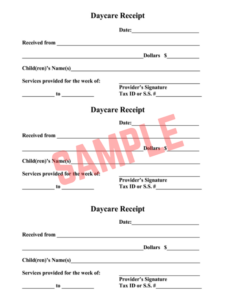
When you start putting together your receipt, the first thing you need to focus on is clarity. A receipt is a legal document, even if it feels like just a simple piece of paper. You should always start with your business name or your full legal name if you operate as an individual. Including your contact information like a phone number or email address is also vital so that parents can reach out if they have questions later on about their billing history or tax filings.
The next section should clearly identify who the payment is for and who made it. This means including the name of the parent or guardian and, most importantly, the name of the child receiving care. If a family has multiple children in your care, it is often best to list each child separately or at least specify that the payment covers the entire sibling group. This level of detail prevents any confusion about which weeks or services are being covered by a specific payment when the parents review their records at the end of the year.
Dating your receipts is another non-negotiable step. You need to include the date the payment was actually received as well as the specific service period. For example, if a parent pays you on a Friday for the upcoming week, the receipt should reflect both the payment date and the dates of the week the child will be in your care. This distinction is crucial for parents who need to prove when services were rendered for their employer-provided benefit programs or for state assistance reporting.
You also want to break down the financial details clearly so there is no guesswork involved. This includes the total amount paid, the method of payment whether it was cash, check, or digital transfer, and any remaining balance if they only made a partial payment. If you charge extra for things like late pickups, field trips, or supply fees, these should be listed as separate line items so the parents can see exactly where their money is going. Transparency in your billing helps avoid awkward conversations about money later on.
Importance of Tax Identification Numbers
One of the most frequent requests you will get from parents is for your Taxpayer Identification Number or Social Security Number. While it might feel a bit personal to hand this out, it is a requirement for parents who want to claim the Child and Dependent Care Tax Credit in the United States. By including this information directly on your child care provider receipt template, you save yourself the hassle of having to provide it individually every time a parent asks. It shows that you are prepared and that you understand the financial needs of the families you work with.
Finally, think about how you want to deliver these receipts to your clients. While paper carbon-copy pads are still common, many modern providers are moving toward digital formats. Digital receipts are much harder to lose and are easier for parents to upload to their tax software. Whether you print them out on your home printer or email them as a PDF, the goal is to make the document as accessible and professional as possible for everyone involved in the transaction. Professionalism in your documentation reflects the quality of care you provide to the children.
How a Template Streamlines Your Daycare Business
Using a standardized format for your billing does more than just organize your desk; it sets a tone of professionalism that parents appreciate. When people see that you have a formal process for handling money, they are more likely to respect your payment deadlines and policies. It shows that you take your business seriously and that you are committed to maintaining a high standard of care in every aspect of your work. Consistency in your business practices helps to build a long-lasting reputation as a reliable provider in your community.
Efficiency is the biggest gift you can give yourself as a busy provider who is likely working long hours. You already have enough on your plate without having to design a new layout or write everything out by hand every time someone pays you. A template allows you to simply plug in the numbers and names and move on with your day. This consistency also makes it much easier to review your records at the end of the month because everything is in the same place and formatted in the same way, making your own tax preparation much smoother.
Beyond the day-to-day ease, having these records helps protect you in the event of a payment dispute. If a parent ever claims they paid for a week that you have marked as unpaid, having a chronological file of issued receipts provides the evidence needed to resolve the issue quickly and fairly. It creates a paper trail that protects both your income and your reputation. Being organized and prepared for these situations ensures that your business can continue to thrive without unnecessary stress over financial disagreements.
Managing the financial side of a childcare business might not be as fun as planning a craft project or watching a child reach a new milestone, but it is the backbone of a successful venture. Taking the time to set up a solid system for receipts ensures that you are covered legally and financially while providing a necessary service to the families who trust you. It simplifies the administrative burden and allows you to spend more time focusing on what really matters which is the growth and safety of the children in your care.
As you move forward, remember that your records are a reflection of your dedication to your profession. By consistently providing detailed documentation, you are building a legacy of reliability and excellence. Parents will notice the extra effort you put into the business side of things, and it will give them even more confidence in your ability to care for their little ones. Small steps like using a proper receipt format can make a massive difference in how smoothly your childcare business runs year after year.