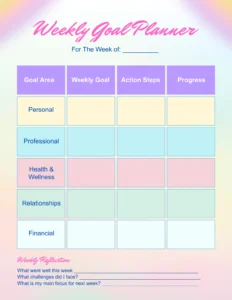
Managing multiple assignments, projects, and deadlines can often feel like juggling an increasing number of balls in the air. For professionals balancing continuing education, property managers overseeing certification courses, or individuals pursuing new skills, staying organized is paramount to success. An effective course assignment schedule template acts as your personal project manager, ensuring every task is tracked and nothing slips through the cracks. This article will guide you through understanding the benefits of a well-structured schedule and how to utilize a template to boost your productivity.  Picture this: you have a clear overview of all your academic or professional development commitments, complete with submission dates, progress trackers, and priority levels. This isn’t just about avoiding late penalties; it’s about reducing stress, improving the quality of your work, and ultimately achieving your educational or professional goals more efficiently. We’ll explore the essential components of a robust assignment tracker and provide a practical example to help you start strong.
Optimizing Your Workflow with a Practical Assignment Schedule Template
An effective assignment schedule template is more than just a list of due dates; it’s a strategic tool designed to enhance your time management and academic performance. It helps you visualize your workload, allocate time judiciously, and prevent last-minute rushes that often compromise work quality. By breaking down large projects into smaller, manageable tasks, you can approach your studies or professional training with greater confidence and less anxiety. This systematic approach fosters discipline and ensures consistent progress toward your objectives.
Key elements make a course assignment schedule template truly effective. First, it needs clear sections for course names, assignment descriptions, and due dates. Next, incorporating columns for estimated time commitment and actual time spent helps you refine your planning skills for future tasks. A status tracker, perhaps using simple terms like “Not Started,” “In Progress,” or “Completed,” provides an instant overview of your workload. Furthermore, including a priority level allows you to tackle the most critical items first, ensuring high-impact assignments receive adequate attention.
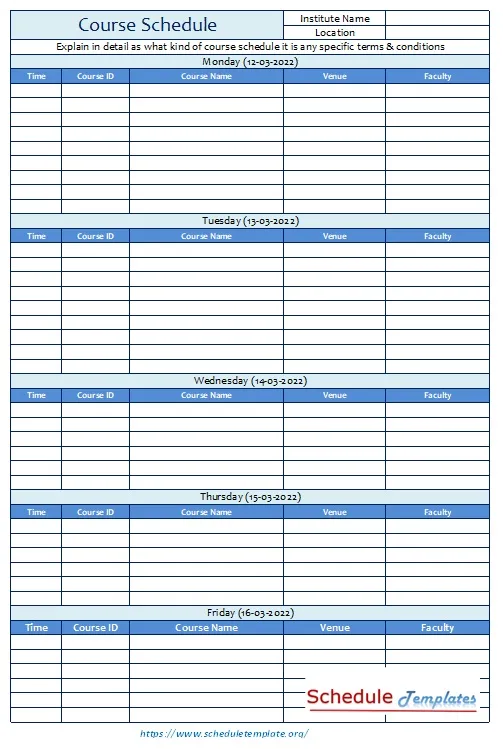
A well-designed study plan template also encourages proactive planning. Instead of reacting to approaching deadlines, you can proactively schedule blocks of time for research, drafting, and reviewing. This forward-thinking strategy is invaluable for anyone managing a demanding schedule, whether they are a student, a busy professional, or an individual juggling multiple commitments. It transforms overwhelming tasks into manageable steps, promoting consistent progress and reducing the likelihood of burnout.
Here’s a sample of what a practical course assignment schedule template might look like, designed for clarity and easy tracking:
| Course Name | Assignment / Task | Due Date | Estimated Time (Hours) | Priority | Status | Notes |
|---|---|---|---|---|---|---|
| Business Admin 101 | Case Study Analysis (Part 1) | 2024-10-15 | 5 | High | In Progress | Gather research materials. |
| Project Mgmt Basics | Module 3 Quiz | 2024-10-20 | 1 | Medium | Not Started | Review Chapter 5-7. |
| Advanced Excel | Spreadsheet Project | 2024-10-28 | 8 | High | Not Started | Identify data sources. |
| Professional Comm. | Presentation Outline | 2024-11-01 | 3 | Medium | Completed | Sent to peer for feedback. |
| Business Admin 101 | Case Study Analysis (Part 2) | 2024-11-05 | 6 | High | Not Started | Begin drafting analysis. |
Beyond the basic framework, consider adding columns for links to resources, specific submission requirements, or even a column for grades received. Customizing your assignment tracker makes it a truly personalized tool that adapts to your unique learning style and course demands. Regularly reviewing and updating your schedule is crucial to its effectiveness, ensuring it remains an accurate reflection of your current workload and progress.
Embracing a systematic approach to managing your course assignments can profoundly impact your success. A well-designed assignment schedule template empowers you to maintain control over your commitments, reduce stress, and produce higher quality work consistently. It encourages proactive planning and offers a clear roadmap through your academic or professional development journey. By taking the time to set up and regularly use such a tool, you are investing in your own productivity and peace of mind.
Ready to take charge of your deadlines and optimize your learning experience? Start by downloading or creating your own course assignment schedule template today. Consistent application of this powerful organizational tool will undoubtedly lead to improved focus, better performance, and a much smoother path to achieving your educational and professional aspirations.