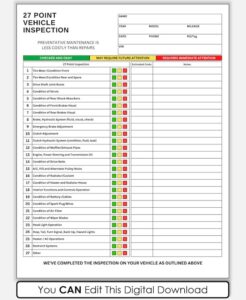
Ensuring workplace safety is not just a regulatory requirement; it’s a fundamental commitment to the well-being of every individual. Accidents and incidents often stem from unclear responsibilities, leading to overlooked safety checks or delayed responses. A well-defined system for delegating safety duties is essential for creating a secure environment.  This is where a robust safety task assignment template becomes an invaluable tool. It provides a structured approach to clearly outline who is responsible for what safety-related activity, when it needs to be done, and how to report its completion. Utilizing such a template can significantly enhance accountability and proactive risk management in any setting, from construction sites to office buildings.
Crafting an Effective Safety Task Assignment System
Implementing a clear system for delegating safety responsibilities is crucial for any organization. It transforms general safety goals into actionable steps, ensuring that no critical task falls through the cracks. An effective safety task assignment system helps clarify roles, set expectations, and track progress, which are all vital for maintaining a compliant and safe environment.
A well-designed safety task assignment template serves as the backbone of this system. It allows managers and supervisors to easily document and communicate specific safety tasks to individuals or teams. This proactive approach helps prevent incidents by ensuring regular inspections, equipment maintenance, and adherence to safety protocols are consistently performed. Statistics show that workplaces with clear safety roles and responsibilities experience significantly fewer accidents.
Here are key elements typically included in a comprehensive safety task assignment template:
- Task Description: A clear, concise explanation of the safety task to be performed. This ensures there’s no ambiguity about what needs to be done.
- Responsible Party: The name or role of the person assigned to complete the task. This establishes direct accountability.
- Deadline/Frequency: The date by which the task must be completed, or how often it should be performed (e.g., daily, weekly, monthly).
- Priority Level: Indicates the urgency or importance of the task, helping assignees manage their workload effectively.
- Required Resources: Any tools, equipment, or information needed to successfully complete the task.
- Verification/Sign-off: A space for the assignee or a supervisor to confirm task completion. This often includes a date and signature.
- Notes/Comments: A section for any additional information, observations, or challenges encountered during the task.
Using a structured template reduces miscommunication and ensures that all necessary safety checks are systematically addressed. It also provides a valuable record for audits and continuous improvement efforts. Below is a sample safety task assignment template to illustrate how these components come together.
Sample Safety Task Assignment Template
This example demonstrates a basic structure that can be adapted for various industries and specific safety needs. It’s designed to be straightforward and easy to understand for all users.
| Task ID | Safety Task Description | Responsible Person/Role | Due Date/Frequency | Status | Verification (Signature/Date) | Notes |
|---|---|---|---|---|---|---|
| ST-001 | Inspect fire extinguishers for pressure and accessibility | Maintenance Team Lead | Monthly (Last Friday) | Open | Check all floor levels, especially kitchens. | |
| ST-002 | Review emergency exit routes for obstructions | Facility Manager | Weekly (Every Monday) | Open | Ensure all doors are clear and functional. | |
| ST-003 | Replenish first-aid kits in all designated areas | Office Administrator | Quarterly (End of Q1, Q2, Q3, Q4) | Open | Verify expiry dates of medications. | |
| ST-004 | Conduct a general workplace hazard assessment | Safety Committee | Annually (October) | Open | Focus on new equipment and processes. | |
| ST-005 | Empty and sanitize all waste bins | Cleaning Staff | Daily | Open | Prioritize communal areas and restrooms. |
This simple template makes it easy to assign, track, and verify critical safety tasks. Customizing the columns and adding more detail can further enhance its utility for your specific operational needs. Remember that consistency in its use is just as important as the template itself.
Adopting a standardized approach to safety task delegation is a proactive step toward a safer work environment for everyone. Utilizing a well-structured template not only streamlines compliance but also fosters a culture of shared responsibility and vigilance. By clearly defining who does what and when, organizations can significantly reduce risks and respond more effectively to potential hazards.
Ready to enhance your workplace safety protocols? Download or create your own safety task assignment template today to ensure every critical safety check is accounted for and assigned. This small step can lead to significant improvements in overall safety performance and employee well-being, paving the way for a more secure and productive environment.