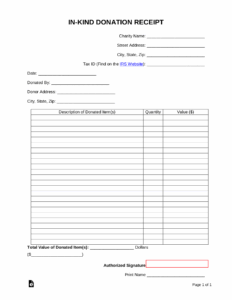
Running a non profit organization involves a lot of moving parts and one of the most rewarding yet challenging aspects is managing non cash gifts. Whether your charity receives clothing, office equipment, or professional services, providing a professional acknowledgement is essential for both your records and your supporters. Using a pre printed in kind donation receipt template can transform the way you handle these transactions by offering a consistent and organized framework. This approach ensures that you capture all the necessary details required by tax authorities while maintaining a polished image that reflects the values of your organization.
Many small to mid sized charities struggle with the administrative side of giving because they are often focused on the direct impact of their mission. However, failing to provide a proper receipt for a physical gift can lead to confusion during tax season for your donors. Unlike cash donations which are straightforward to record, in kind gifts require a bit more description and documentation. By having a set format ready to go, you eliminate the guesswork for your staff and volunteers, allowing them to process gifts quickly and accurately without needing to start from scratch every single time.
The beauty of a standardized system is that it builds trust with your community. When a donor hands over a valuable piece of equipment or a collection of goods, they want to feel confident that their contribution is being treated with respect. A professional receipt serves as more than just a piece of paper for a tax deduction; it acts as a formal thank you and a confirmation of their generosity. Transitioning to a structured system helps you stay organized throughout the fiscal year, making your annual reporting much simpler and more transparent for everyone involved.
How a Standardized Receipting System Benefits Your Mission
One of the primary reasons to adopt a structured system for your non cash gifts is the significant amount of time it saves. In the world of non profit work, time is one of your most valuable resources. When your team is equipped with a clear guide, they do not have to spend twenty minutes figuring out what information needs to be included on a donor acknowledgement. Instead, they can fill out the required fields in a matter of seconds. This efficiency is especially important during peak giving seasons, such as the end of the calendar year, when a high volume of donations can easily overwhelm a small staff.
Consistency is another major factor that cannot be overlooked. If every person in your office writes their own version of a thank you note or receipt, your records will eventually look like a disorganized mess. By using a pre printed in kind donation receipt template, you ensure that every single donor receives the same high quality experience. This level of uniformity is vital for maintaining your brand identity and ensuring that all legal requirements are met across the board, regardless of who is handling the paperwork on any given day.
Accuracy is also greatly improved when you use a template. It is very easy to forget to include a specific phrase or a required tax identification number when you are writing a receipt from memory. A template acts as a checklist, prompting you to enter the date, a detailed description of the items, and the name of the donor. It also helps you remember to include the important legal language stating that no goods or services were provided in exchange for the gift, which is a standard requirement for many tax jurisdictions.
Improving Volunteer Training and Workflow
Most non profits rely heavily on volunteers to keep things running smoothly. However, volunteers may not always be familiar with the intricacies of tax law or internal record keeping. Providing them with a simple form to fill out makes their job much easier and reduces the likelihood of errors. You can quickly train a new volunteer by showing them exactly where to write the information on the form. This empowers them to handle donations with confidence, knowing they are following the correct procedures established by the organization leadership.
In addition to helping with training, a physical or digital template allows for better long term tracking. When everyone is using the same format, it becomes much easier to file these documents in a way that makes them searchable. Whether you are keeping physical folders in a filing cabinet or scanning documents into a cloud based storage system, having a uniform look makes it simpler to locate specific receipts months or even years later. This level of organization is invaluable if your organization ever undergoes an audit or needs to provide proof of support for a grant application.
Finally, a professional receipt reinforces the donor relationship. When a person receives a well organized and clear receipt, it shows them that your non profit is professional and responsible with its resources. People are generally more likely to continue supporting an organization that they perceive as well managed. By paying attention to these small administrative details, you are actually investing in the long term sustainability of your fundraising efforts. It sends a message that you value the donor time and their contribution enough to provide them with proper documentation.
Key Features of an Effective Donation Record
When you are looking at different ways to format your receipts, it is important to understand what makes a receipt actually useful. It needs to be clear enough for a tax professional to read and detailed enough for the donor to remember exactly what they gave. The goal is to provide a comprehensive summary without making the form overly complicated. A good system should strike a balance between being thorough and being easy to read at a glance. You want to make sure that the most important information is highlighted and easy to find for anyone looking at the document.
Beyond just the legal requirements, you might want to consider adding a small section for a personalized message. Even though the primary purpose of the document is for record keeping, adding a short sentence about how the specific donation will help your cause can go a long way. For example, if someone donated building materials, a quick note about the project they are supporting adds a human touch that a standard form might lack. This turns a routine administrative task into an opportunity for further engagement and storytelling within your community of supporters.
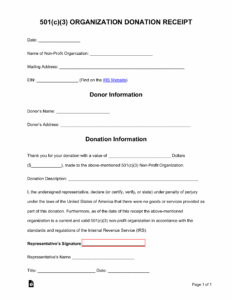
If you are wondering what exactly should be included on your form, here are some of the most common and necessary elements that you should consider:
Once you have these elements in place, you can focus on the layout and design. A clean design with plenty of white space makes the form easier to fill out and easier to read. You should also think about the medium you will use. Some organizations prefer a physical carbon copy book so they can keep one copy and give one to the donor immediately. Others prefer a digital version that can be emailed as a PDF. Regardless of the format you choose, the key is to ensure that it is accessible and consistently used by everyone in your organization who interacts with donors.
Taking the time to establish a solid administrative foundation will pay off in the long run. By implementing a pre printed in kind donation receipt template, you are taking a proactive step toward better organization and donor relations. It might seem like a small detail in the grand scheme of your mission, but these small details are what separate a struggling non profit from one that is thriving and growing. When your internal systems are strong, you can spend less time worrying about paperwork and more time focusing on the people and causes that your organization was created to serve.
As you move forward, keep an eye on how your donors respond to the new system. You may find that they appreciate the clarity and speed of the new process. You can always refine the wording or the layout as you gather feedback from your team and your supporters. The most important thing is to start with a reliable structure that meets your legal obligations and supports your professional image. With a little bit of preparation, you can turn the chore of receipting into a seamless part of your daily operations that strengthens your organization from the inside out.