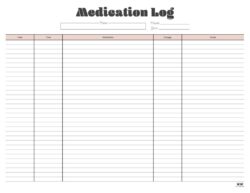
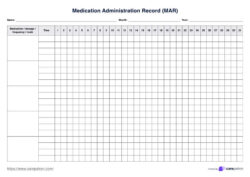
Managing patient care effectively is paramount in any healthcare setting. Nurses and other care providers often juggle multiple responsibilities, from administering medication to coordinating complex treatment plans. An organized approach ensures that every patient receives the attention and care they deserve, minimizing oversight and enhancing overall quality.
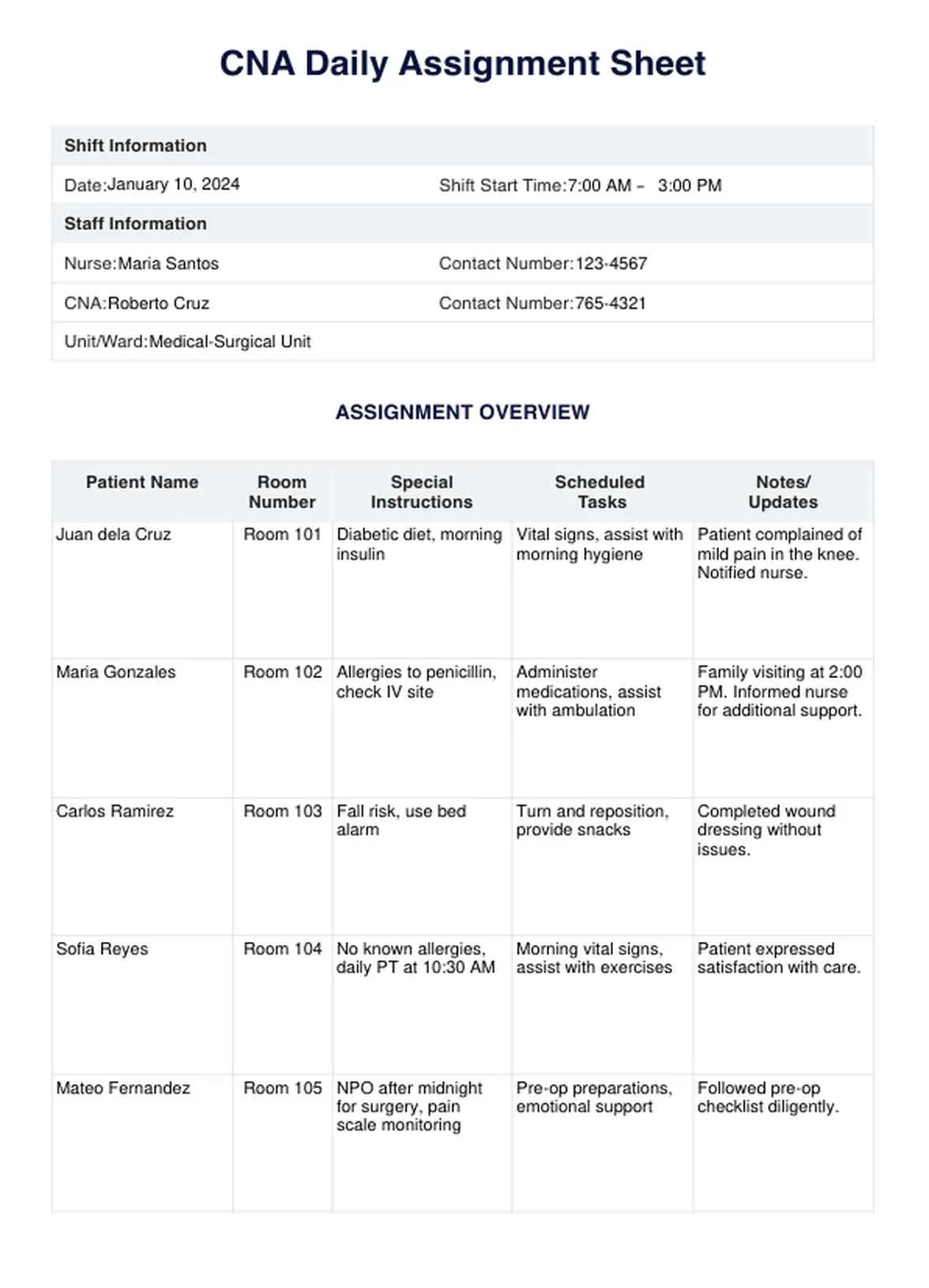
This is where a robust daily patient care assignment template becomes an invaluable tool. It acts as a roadmap for caregivers, detailing specific tasks and patient needs for a given shift. Understanding how to create and utilize such a template can significantly improve workflow efficiency and patient outcomes across various medical facilities. This article will explore the structure, benefits, and practical application of these essential daily patient care assignment tools.
Optimizing Clinical Workflow with Patient Assignment Templates
In the fast-paced environment of healthcare, clear communication and organized task delegation are crucial for patient safety and staff efficiency. A well-designed patient assignment template provides a structured way to distribute duties among care team members. It ensures that every patient has a designated caregiver responsible for their needs during a specific shift, promoting accountability.
Using a standardized system helps reduce errors and improves continuity of care, especially during shift changes. When caregivers know exactly what is expected of them and for whom, they can prioritize tasks more effectively. This proactive approach to care delivery leads to better patient satisfaction scores and a more collaborative work environment. Studies show that structured communication tools can decrease adverse events by improving team coordination.
The right template can be customized to fit the unique needs of different units, whether it’s an ICU, a medical-surgical floor, or a long-term care facility. It can account for varying patient acuity levels and staffing ratios. Furthermore, it serves as a tangible record, allowing for easy review and adjustments as patient conditions evolve throughout the day. This systematic approach is a cornerstone of modern healthcare management.
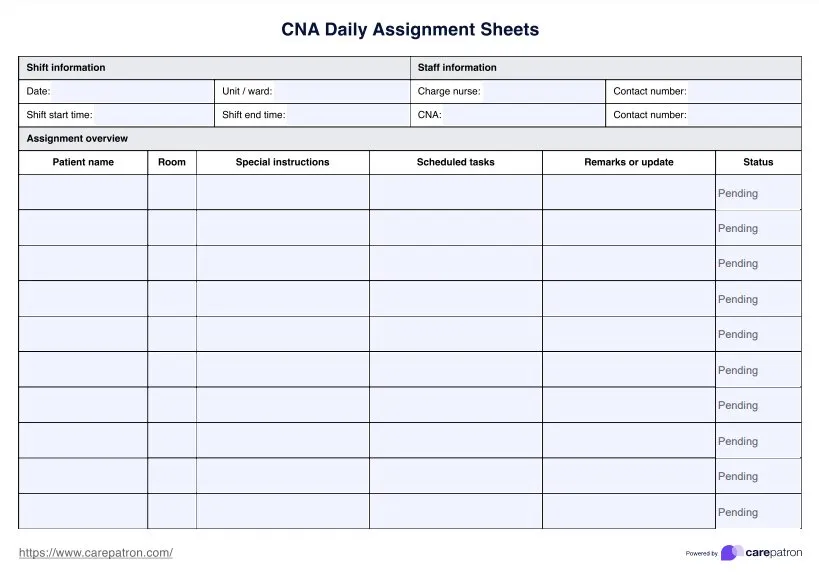
Key Components of an Effective Daily Patient Care Assignment Template
A comprehensive daily patient care assignment template should include several critical elements to ensure all aspects of patient care are covered. These components facilitate clear communication and efficient task management for nurses and other healthcare professionals. Structuring these assignments thoughtfully leads to improved patient outcomes and reduced staff stress.
Here is a sample outline illustrating the essential sections for a practical daily patient care assignment template:
| Section | Description / Example Details |
|---|---|
| Date & Shift | Date: [MM/DD/YYYY] | Shift: [Day/Evening/Night] | Unit: [Unit Name] |
| Assigned Staff | Nurse: [Nurse’s Name] | CNA/PCT: [CNA’s Name] | Other Staff: [Name/Role] |
| Patient Room # | E.g., 301, 302A, 302B |
| Patient Name (Initials) | E.g., J. Smith, M. Doe |
| Diagnosis/Reason for Admit | Brief overview, e.g., CHF exacerbation, Post-op Hip Replacement |
| Acuity Level | Low, Moderate, High (or a numerical scale: 1-5) |
| Key Interventions/Tasks |
|
| Communication Notes | Important updates, family contact, special requests, SBAR handoff points |
| Time Management / Flow | Optional: Hourly task breakdown or critical time points for care delivery |
This structured approach ensures that all necessary information is readily available to the care team. It supports proactive care planning and helps prevent missed tasks or critical updates. A clear template fosters greater teamwork and promotes a safer environment for patients and staff alike.
Implementing a standardized daily patient care assignment template across a department significantly enhances consistency in care delivery. It reduces the variability that can occur when assignments are created ad hoc or communicated verbally. Such a template is not just a checklist; it’s a dynamic tool that adapts to the fluid nature of patient care. It empowers staff to prioritize effectively, respond to changes swiftly, and maintain high standards of professionalism. By integrating this system, healthcare facilities can build a stronger foundation for operational excellence and superior patient experiences.