Organizing tasks and ensuring every team member knows their responsibilities can transform workplace efficiency. A well-structured approach to daily operations is not just helpful, it’s essential for achieving project milestones and fostering team collaboration. This is precisely where a clear, concise **weekly work assignment schedule template** becomes an invaluable asset for any professional setting.  Implementing an effective assignment schedule simplifies workflow, minimizes confusion, and significantly boosts overall productivity. This article will guide you through the benefits of using such a template, highlight its essential components, and show you how to tailor it to your specific needs, ultimately streamlining your team’s weekly output.
Boosting Team Productivity with an Effective Assignment Schedule
Clear communication is the bedrock of any successful team, and task allocation is a critical part of that communication. Without a designated system, assignments can become muddled, leading to missed deadlines, duplicated efforts, or overlooked tasks. A robust weekly assignment tracker ensures that everyone is on the same page regarding their roles and expectations.
Utilizing a comprehensive schedule template helps employers, property managers, or even individuals manage their weekly workload with greater precision. It allows for proactive planning, enabling managers to foresee potential bottlenecks and reallocate resources effectively. Studies show that well-organized teams can increase productivity by up to 20-25%.
Below is a sample weekly work assignment schedule template designed to provide clarity and structure for your team’s tasks. This format is easily adaptable and serves as an excellent starting point for customizing your own internal documentation. 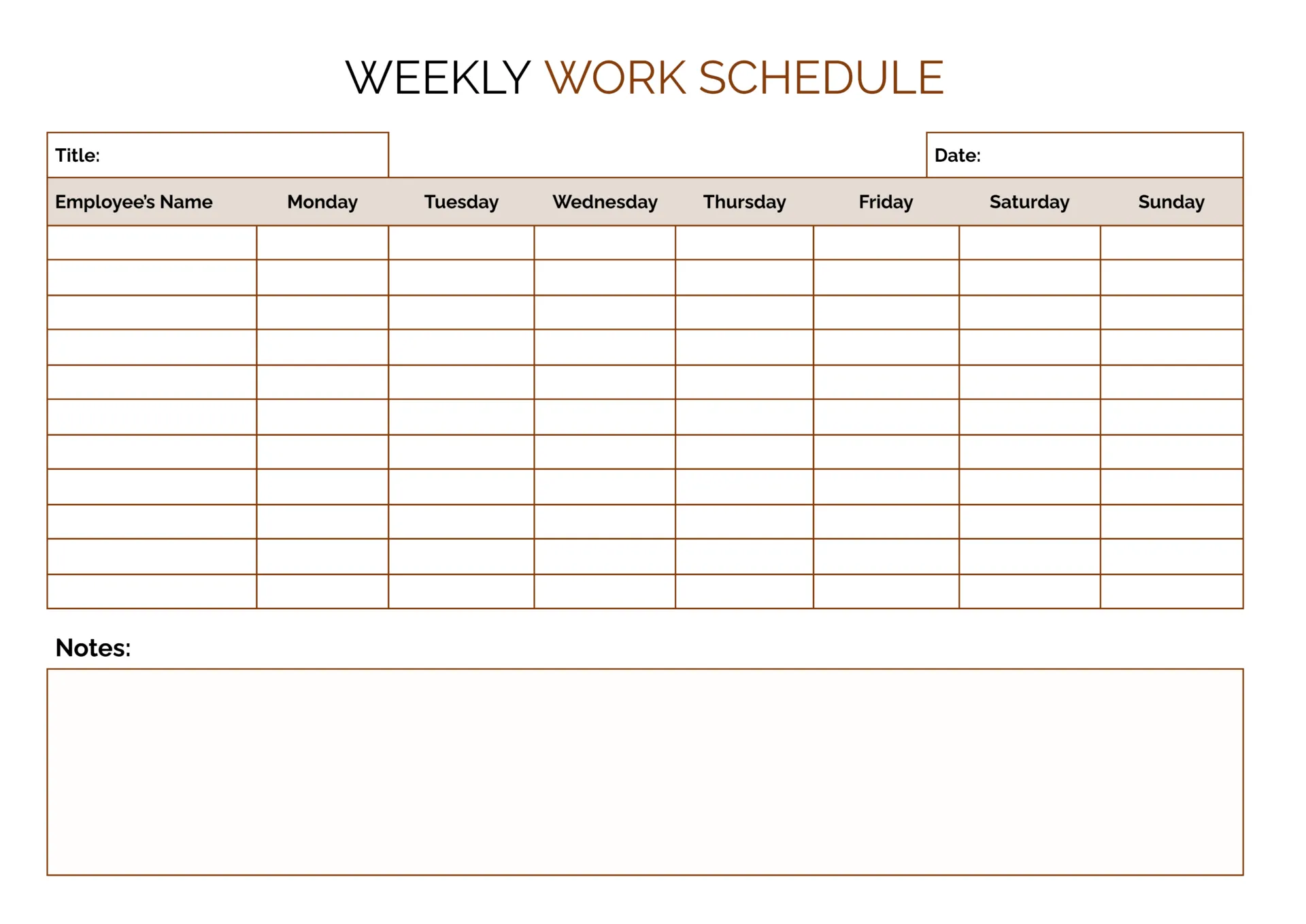
| Employee/Team Member | Monday | Tuesday | Wednesday | Thursday | Friday | Status/Notes |
|---|---|---|---|---|---|---|
| John Doe | Project X – Phase 1 (Report) | Client Meeting (Alpha Corp) | Project X – Phase 2 (Coding) | Team Brainstorming Session | Documentation Review | On Track |
| Jane Smith | Market Research Analysis | Content Creation (Blog Post) | Social Media Campaign Prep | Client Outreach Calls | Email Newsletter Draft | Pending Review |
| Mark Johnson | Website Backend Updates | Server Maintenance | Database Optimization | Security Audit | Technical Support Review | Completed |
| Sarah Lee | Invoice Processing | Expense Report Reconciliation | Vendor Communication | Payroll Preparation | Financial Forecasting | In Progress |
This structured approach provides a quick overview of who is working on what, when, and their current progress. It fosters accountability and helps in identifying areas where support might be needed. Consistency in using such a template builds discipline and predictability within the team’s operations.
Key Components of a Robust Weekly Assignment Tracker
An effective assignment tracker goes beyond just listing names and tasks; it incorporates elements that promote clarity, accountability, and flexibility. Understanding these key components will help you customize a template that truly serves your operational needs. A well-designed template is a powerful time management tool.
Consider including the following essential features in your template to maximize its utility:
- Team Member/Role: Clearly identify who is responsible for each task, promoting individual accountability. This avoids confusion and ensures tasks are owned.
- Task Description: Provide concise yet clear details about the assignment. Ambiguity often leads to errors and delays, so be specific.
- Due Date/Timeframe: Assign specific deadlines for tasks, especially if they are time-sensitive. This helps in prioritizing and managing workload effectively.
- Priority Level: Categorize tasks by urgency (e.g., High, Medium, Low) to help team members focus on critical items first. This ensures important work isn’t overlooked.
- Status Updates: Include a column for progress (e.g., Not Started, In Progress, Completed, Blocked). This allows for quick visualization of workflow and potential issues.
- Notes/Comments: A section for additional information, special instructions, or obstacles encountered. This is vital for transparent communication and problem-solving.
Adding these elements transforms a simple list into a dynamic project planning tool. It allows for a holistic view of the week’s objectives and helps in tracking progress effortlessly. Remember, the best template is one that is practical and easy for everyone to use.
Implementing Your Weekly Assignment Schedule Template for Optimal Results
Creating a weekly work assignment schedule template is only the first step; successful implementation is what truly drives efficiency. To integrate this tool effectively into your team’s routine, a strategic approach is essential. Consistency and adaptability are crucial for long-term success.
Start by introducing the new template to your team with clear instructions on how to use it. Explain the benefits, such as improved organization and reduced stress, to encourage buy-in. Hold a brief training session to address any questions and demonstrate its practical application.
Regularly review and update the schedule, preferably at the beginning or end of each week. This practice ensures that tasks remain relevant and new assignments are incorporated seamlessly. Encourage team members to provide feedback on the template’s usability, allowing for continuous refinement.
A well-utilized weekly work assignment schedule template can dramatically improve team dynamics and output. It acts as a central hub for all assignments, fostering transparency and collective understanding of goals. By adopting and consistently applying this organizational strategy, you can empower your team to achieve greater productivity and ensure a smoother operational flow.
Embrace the power of structured planning and watch your team’s efficiency soar. Download or create your customized weekly assignment schedule today, and take the first step towards a more organized and productive work environment. Your efforts in streamlining task management will undoubtedly lead to significant improvements in overall performance and employee satisfaction.