The warmer months often bring thoughts of relaxation, but they can also be a perfect time for growth and learning. Whether for academic enrichment, professional development, or even personal hobbies, a structured approach to summer reading can make all the difference. That’s where a well-designed summer reading assignment template becomes an invaluable tool. It provides clarity and direction, transforming a vague idea of “reading more” into a clear, achievable goal for individuals or groups.  This article will guide you through the benefits of using such a template. We will explore how a ready-to-use reading list assignment form can simplify the process for educators, team leaders, or even parents planning activities. By the end, you’ll understand how to effectively implement and customize a robust summer reading assignment template for your specific needs, ensuring a productive and engaging reading experience for all.
Crafting an Effective Summer Reading Assignment Form
Developing a clear and concise reading task template is crucial for its success. A good template ensures that expectations are transparent, resources are easily accessible, and the assignment’s purpose is well understood. This structured approach benefits everyone involved, from students completing a project to professionals engaging in a corporate reading initiative. It transforms potential confusion into organized action.
When creating or customizing a summer reading assignment template, consider several key components. These elements work together to provide a comprehensive framework for any reading-based task. They help guide the reader through the material and encourage deeper engagement and reflection.
Here are essential sections to include in your reading project planner:
- Assignment Title: Clearly state the assignment name, e.g., “Summer Professional Development Reading.”
- Purpose/Goals: Explain why this reading is important and what skills or knowledge the reader should gain. This could be improving critical thinking, understanding new industry trends, or enhancing specific job skills.
- Assigned Reading List: Provide a clear list of books, articles, or resources. Include author names, titles, and ISBNs or direct links for easy access.
- Due Dates/Timeline: Outline key dates for completion, check-ins, or submission of related tasks. A phased approach can help manage longer readings.
- Tasks/Deliverables: Specify what the reader needs to produce. This might be a book report, a presentation, discussion questions, or a summary of key insights.
- Evaluation Criteria: Clearly define how the assignment will be assessed. This ensures fairness and guides the reader on what to focus on.
- Contact Information: Include who to contact for questions or support. This provides a clear channel for communication and troubleshooting.
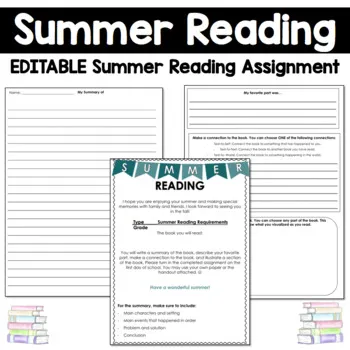
Sample Summer Reading Assignment Template
Here is a sample layout that you can adapt for various professional or educational settings. This sample emphasizes clarity and structured content, which is vital for busy individuals or teams. You can use this as a starting point to build your own tailored template.
Summer Reading Challenge: Professional Growth Through Literature
Assignment Title: Summer Professional Development Reading Challenge
Purpose/Goals:
- To encourage continuous learning and skill development during the summer months.
- To broaden perspectives on leadership, innovation, and industry best practices.
- To foster a culture of shared knowledge and collaborative discussion within the team.
Assigned Reading List:
| Title | Author | ISBN/Link | Focus Area |
|---|---|---|---|
| Atomic Habits | James Clear | 978-0735211292 | Productivity & Habit Formation |
| The 7 Habits of Highly Effective People | Stephen Covey | 978-1451626998 | Personal & Professional Effectiveness |
| Dare to Lead | Brené Brown | 978-0399592524 | Courageous Leadership |
Due Dates/Timeline:
- June 30: Complete Book 1 (Atomic Habits) & submit reflection.
- July 31: Complete Book 2 (The 7 Habits…) & submit reflection.
- August 31: Complete Book 3 (Dare to Lead) & submit reflection.
- September 10: Optional Team Discussion Session (details via email).
Tasks/Deliverables:
For each assigned book, please submit a brief (250-300 words) written reflection that includes:
- Two key takeaways from the book.
- One practical way you plan to apply a concept from the book to your role or team.
- One question you have or a point for further discussion.
Evaluation Criteria:
Reflections will be assessed based on thoughtfulness, clarity, and demonstrated understanding of the material. Timely submission is also expected. This is a growth-oriented assignment, designed for self-improvement rather than formal grading.
Contact Information:
For any questions regarding this assignment, please contact [Your Name/Department] at [Email Address] or [Phone Number].
Creating a clear and detailed summer reading assignment template makes managing summer reading programs much simpler and more effective. It ensures consistency, saves valuable preparation time, and clearly communicates expectations to participants. This systematic approach supports continuous learning and personal development, whether for students, interns, or seasoned professionals.
By utilizing a customizable template, you empower individuals to take ownership of their reading journey while providing them with the necessary structure to succeed. Embrace the power of organized content to foster a summer of meaningful reading and lasting educational impact.